Blog | 22 April 2026
5 Recycled Materials to Consider for a Sustainable Interior Renovation
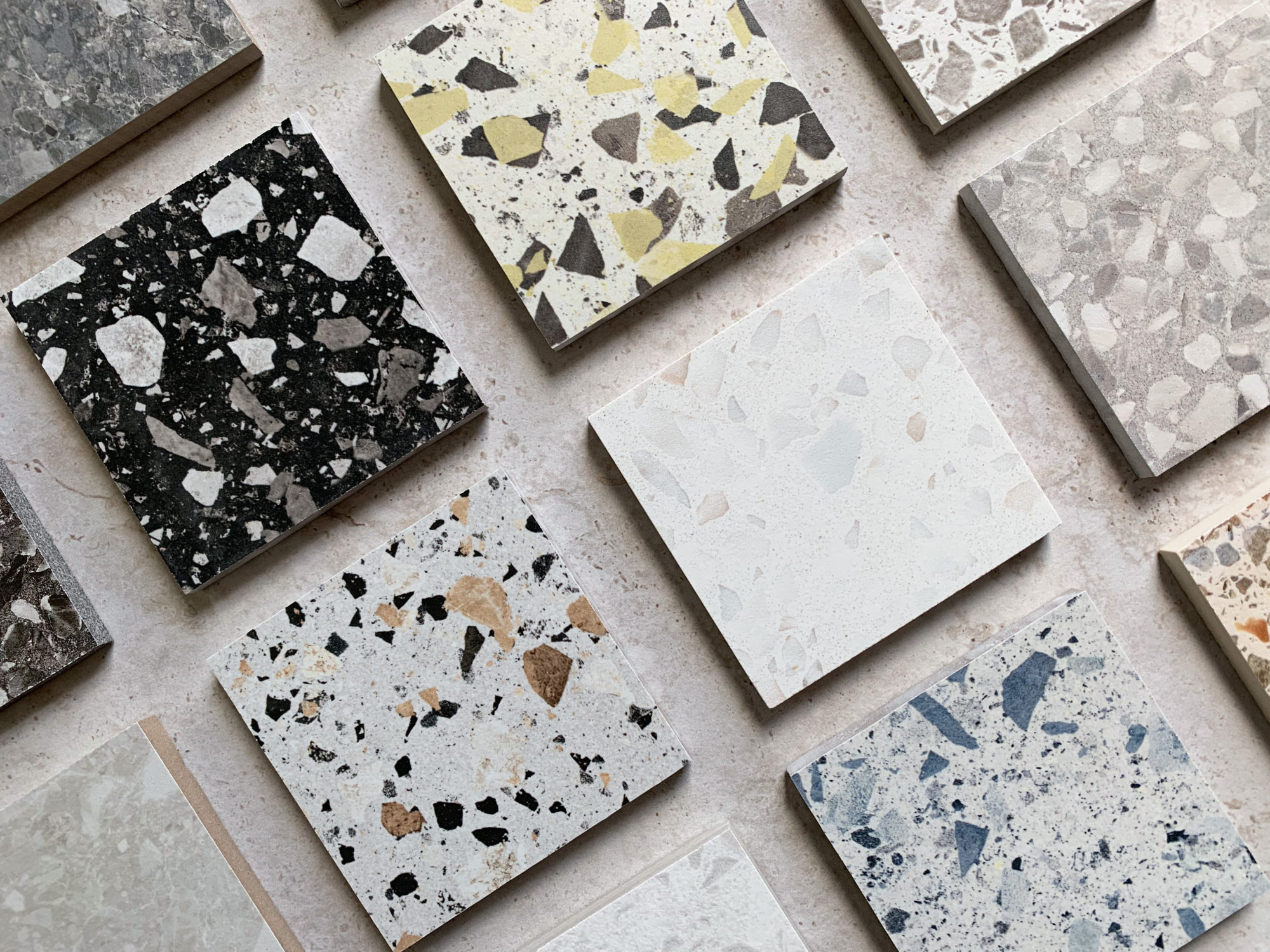
Sustainability in designing your space is no longer a trend—it’s a necessity. With material production accounting for nearly 40% of global CO2 emissions (Ellen MacArthur Foundation, 2023), thoughtful choices in renovation aren’t optional; they’re how we build spaces that last without costing the planet more than they should.
What sustainable materials really are
Sustainable materials prioritise lower environmental impact across their full lifecycle—from sourcing and production through durability and end-of-life. Recycled materials sit at the top of this hierarchy because they divert waste from landfills, require less energy to process than virgin resources, and often carry unique aesthetic depth that factory-fresh alternatives lack.
Why choose recycled materials
- Economic impact: They frequently cost less upfront than premium new materials while offering comparable (or better) longevity, reducing replacement cycles. In Hong Kong alone, over 3.5 million tonnes of construction waste heads to landfills yearly (Environmental Protection Department HK, 2024).
- Durability: Engineered from waste streams under high pressure, many exceed standard performance – recycled plastic composites, for example, last 30+ years outdoors (Materials Creation Asia, 2025).
- Health benefits: Fewer off-gassing chemicals and lower VOC emissions create healthier indoor environments.
- Aesthetic appeal: Natural imperfections and layered textures give spaces warmth and character that uniform materials rarely match.
- Ethical dimension: Each choice supports circular economies and reduces pressure on finite natural resources.
1. Terrazzo
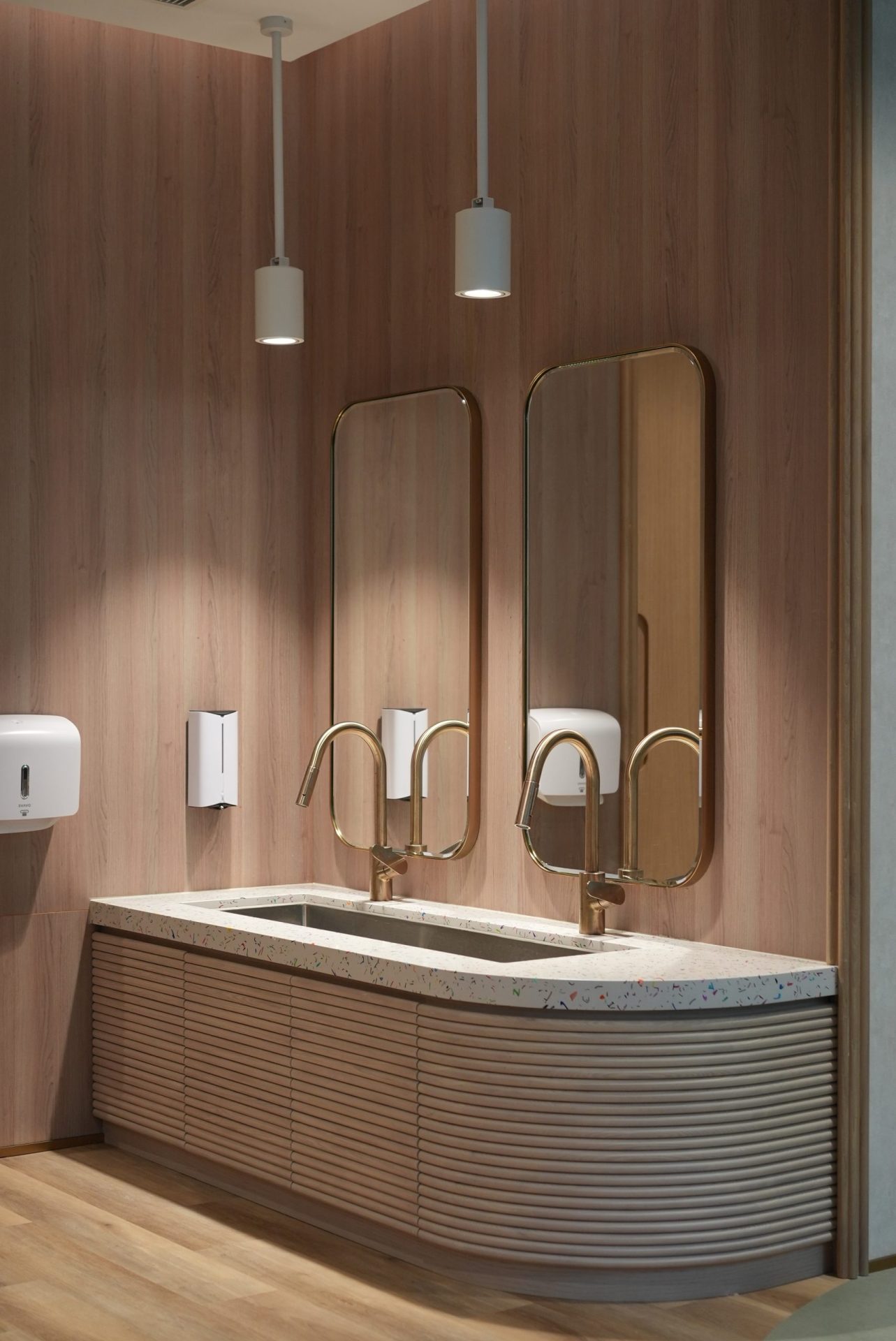
Terrazzo transforms crushed stone, glass, and marble waste—the leftovers from slab fabrication—into seamless, polished surfaces. What begins as discards from cutting larger pieces becomes durable floors, countertops, or dramatic feature walls with a refinement that feels earned, not manufactured.
How terrazzo works in design
Mixed with resin binders and poured in place, terrazzo reveals aggregate chips when polished, creating endless visual variation. A fine mix yields subtle shimmer for modern bathrooms; coarser grains bring movement to kitchen islands. Sealed properly, it resists stains while developing a patina over time.

2. Wood chips
Wood chips take sawmill offcuts and construction scraps, compressing them into warm, textured panels or tiles. The result mimics natural timber’s softness but with tighter grain control, bringing organic warmth to walls, ceilings, or cabinet inserts without the deforestation cost.
How wood chips work in design
High-pressure binding creates stable surfaces with subtle linear texture, ideal for acoustic panelling in open living areas or textured joinery accents. Light finishes keep spaces airy; darker tones ground family rooms. Naturally insulating, they also contribute to thermal comfort.
3. Coconut fiber
Coconut fiber repurposes agricultural husks—typically discarded after processing—into lightweight, breathable boards or insulation. Pale golden and softly fibrous, it introduces natural texture to ceilings, wall linings, or underfloor systems while naturally regulating humidity.
How coconut fiber works in design
Loose fibers bound into thin sheets maintain breathability, making them excellent for tropical climates. Layered behind glass or used as textured ceilings, they catch light beautifully against stone or plaster. The organic pattern adds subtle movement without visual competition.
4. Upcycled fabrics
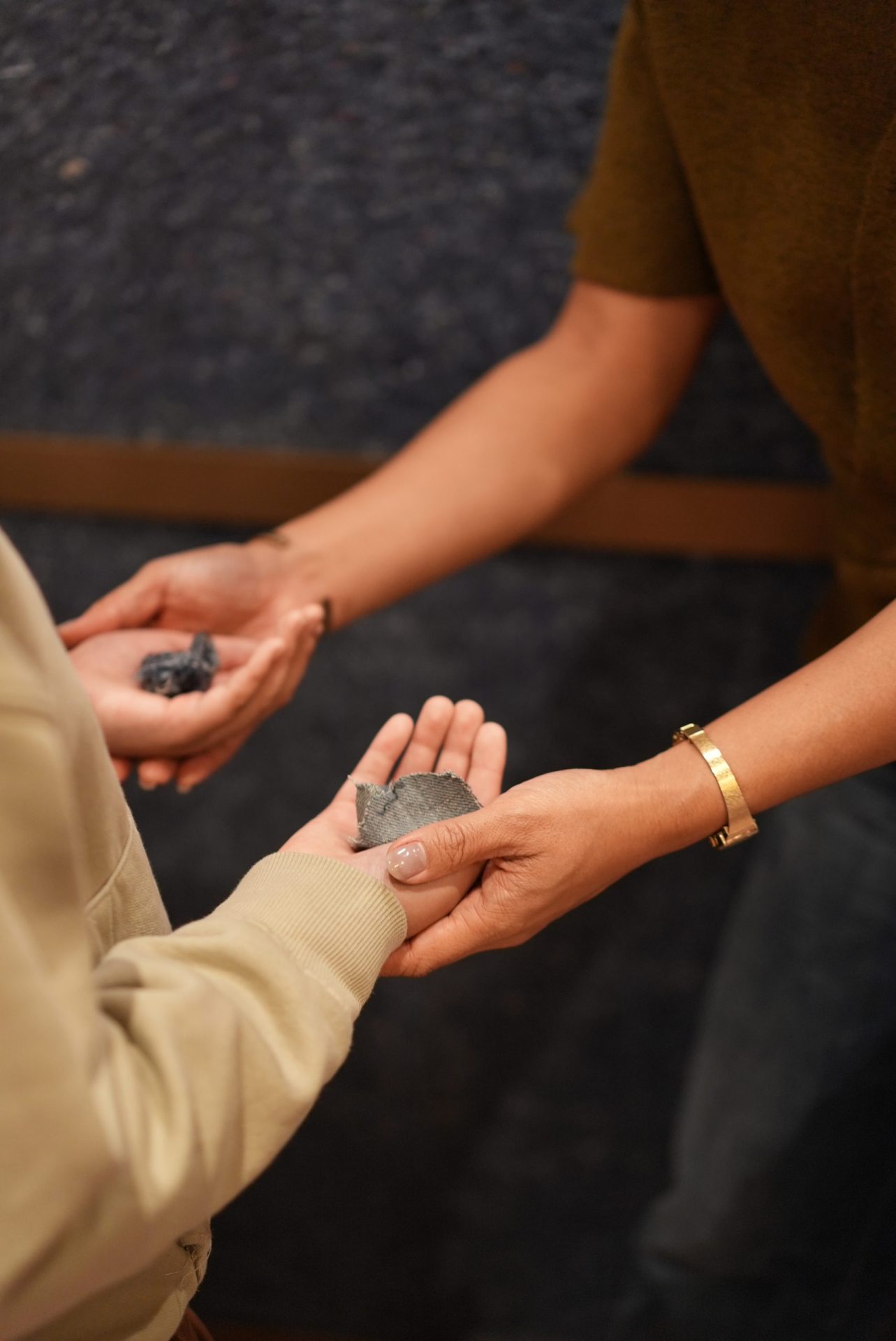
Upcycled fabrics shred post-consumer textiles—denim jeans, military uniforms, coffee sacks—into resilient sheets for walls, counters, or furniture. White denim from LRC projects becomes sleek panels; darker suiting gains depth. Each surface carries a visible story.
How upcycled fabrics work in design
Shredded fibers pressed under heat form waterproof, durable slabs rivaling Corian. Light denim suits contemporary kitchens; coffee sacks weave warm cafes. Custom sourcing (local uniforms, shop waste) creates project-specific narratives while diverting tonnes from landfills.
5. Cork chips
Cork chips grind bark harvesting waste into resilient, cushioned flooring or wall tiles. The warm speckled pattern absorbs sound and impact while naturally resisting moisture and microbes—practical beauty for high-traffic spaces.
How cork chips work in design
Granulated bark bound with minimal resin creates flexible yet durable surfaces. Sealed matte finishes yield sophisticated flecked patterns for playrooms, laundries, or powder room floors. Naturally warming underfoot, cork softens acoustics in open plans without visual heaviness.
How a material’s character changes with execution
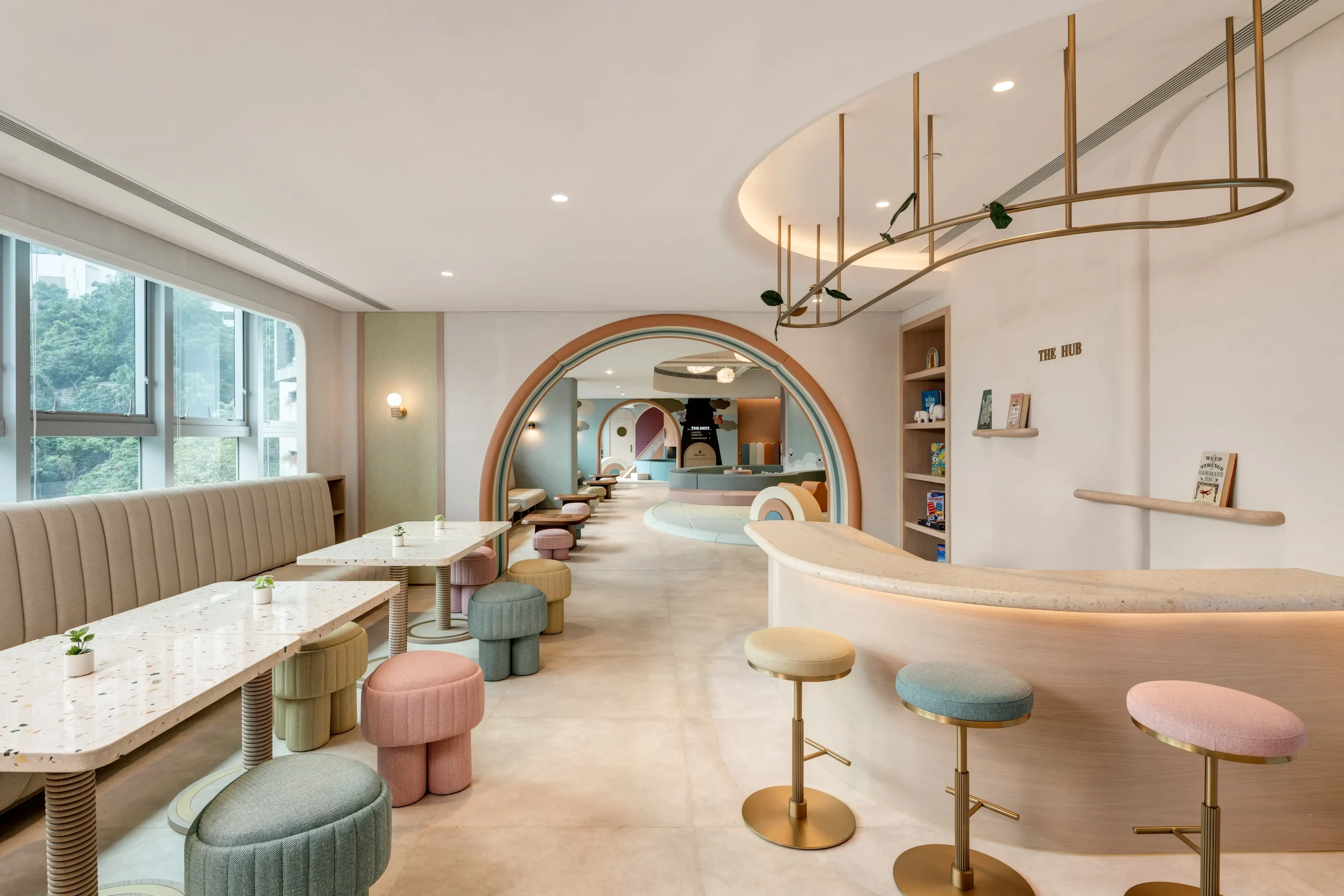
How a material feels can change completely depending on its finish, scale and proportion. The same recycled terrazzo can look soft and understated in one interior, or bold and expressive in another. Wood chips might line a subtle ceiling or become dramatic panelling. Coconut fiber stays light as an accent or gains presence at scale. Upcycled fabrics whisper as a backsplash or command as a feature wall. Cork shifts from playful floor to sophisticated surround. This is also where a designer becomes valuable, shaping the material around the feeling you want the space to have, rather than treating recycled options as one-size-fits-all.
Bringing sustainable renovation to life
Recycled materials make sustainable interior renovation richer, not restricted. They carry story, texture and performance factory-fresh alternatives often lack. Start by keeping what works, then layer in these options where they serve your space’s character best. The result feels responsible without sacrificing beauty—or longevity.
Quality is
always sustainable
For more information, feel free to contact Liquid Interiors, your healthy and eco conscious interior design consultants.
Rowena Gonzales

