Blog | 12 May 2026
The Future of Indoor and Outdoor Play — What We Are Seeing Across Asia
Across Asia, children’s play spaces are evolving into something far more interesting than traditional playgrounds. The best spaces we are seeing now are multisensory, multi-generational and designed to support movement, creativity, social connection and comfort all at once.
This is not a prediction from afar. It comes from firsthand observation across Shenzhen, Hong Kong and beyond, where play facilities are being designed with much greater ambition, intelligence and attention to experience. For private clubs, residential developers and families planning renovations, these shifts are worth paying attention to because they point to where play space design is heading next.
1. Why play spaces are changing
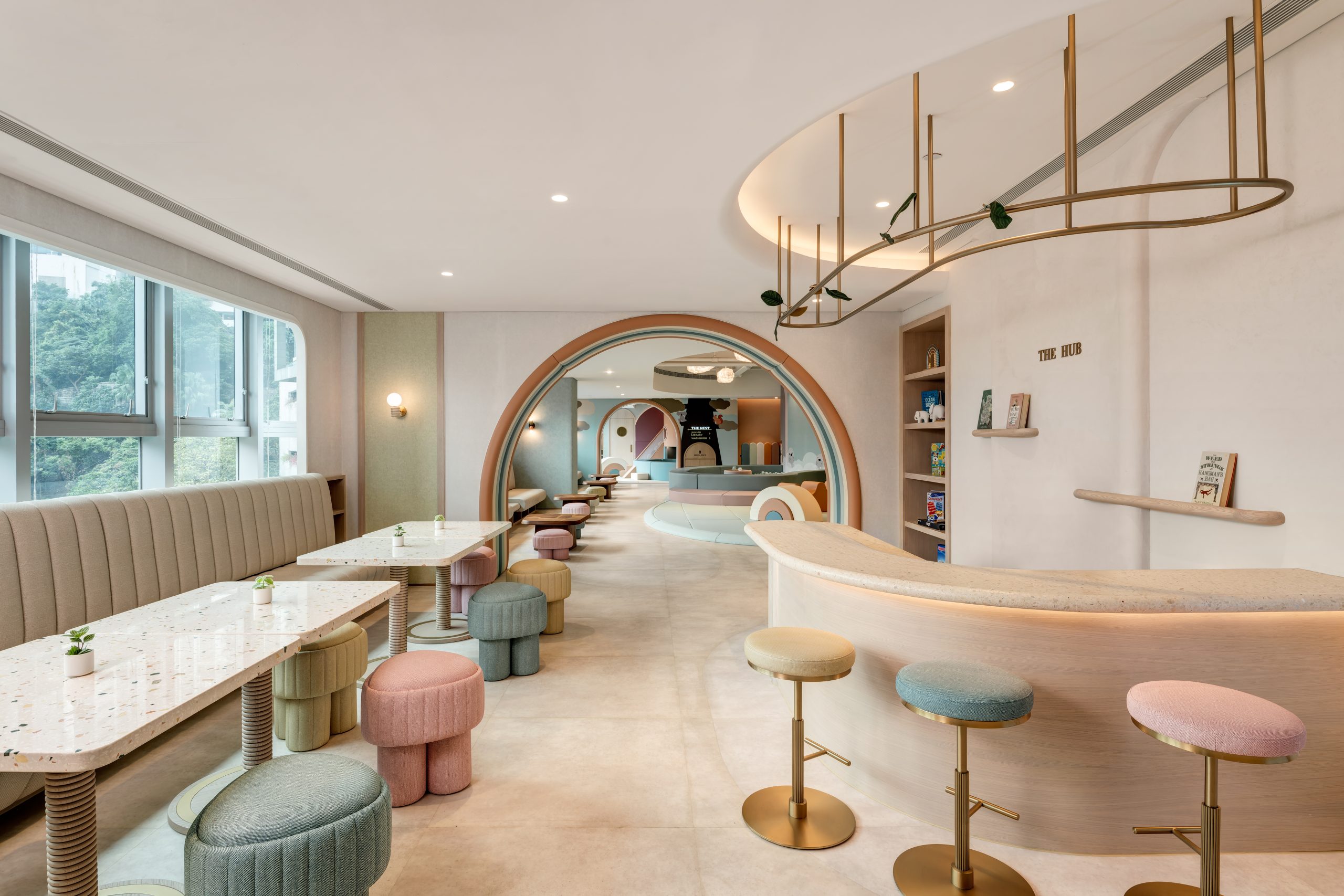
The idea of a children’s play area has expanded. It is no longer enough for a space to simply contain equipment or keep children occupied. The strongest play environments now create a complete experience, one that feels immersive for children, welcoming for parents and adaptable enough to support different ages and interests.
That shift is especially visible in Asia, where many facilities are blending play, learning, movement and social interaction into a single environment. In practice, that means designers are no longer thinking only about toys or structures. They are thinking about arrival moments, atmosphere, circulation, family comfort and the emotional tone of the space.
2. Multifunction rooms that invite participation
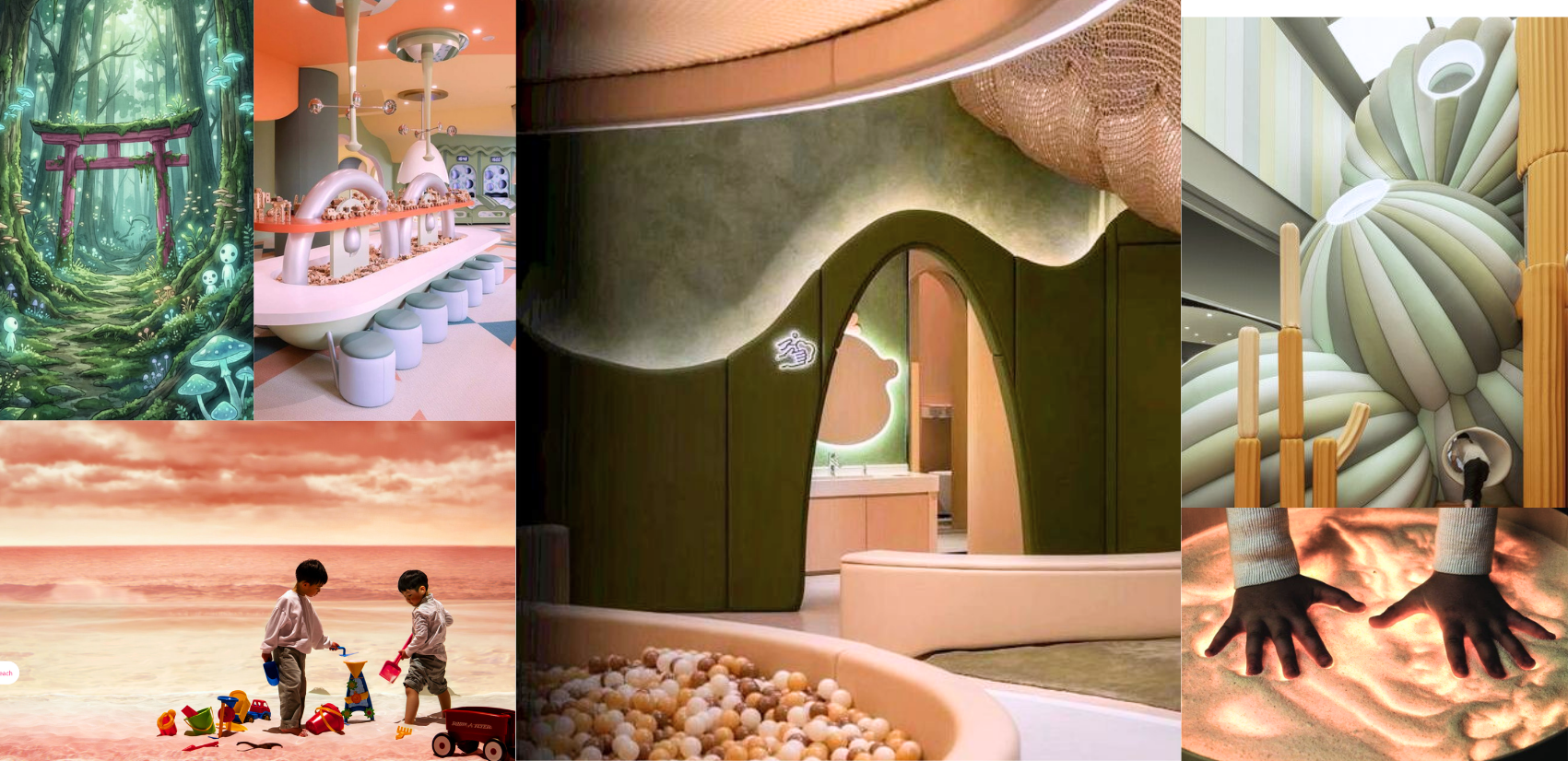
One of the clearest trends is the rise of multifunction rooms that draw children in the moment they enter. Rather than waiting for instruction, the space itself tells you what to do. That might mean a maker-style room, a gallery wall or a themed activity zone that immediately sparks curiosity.
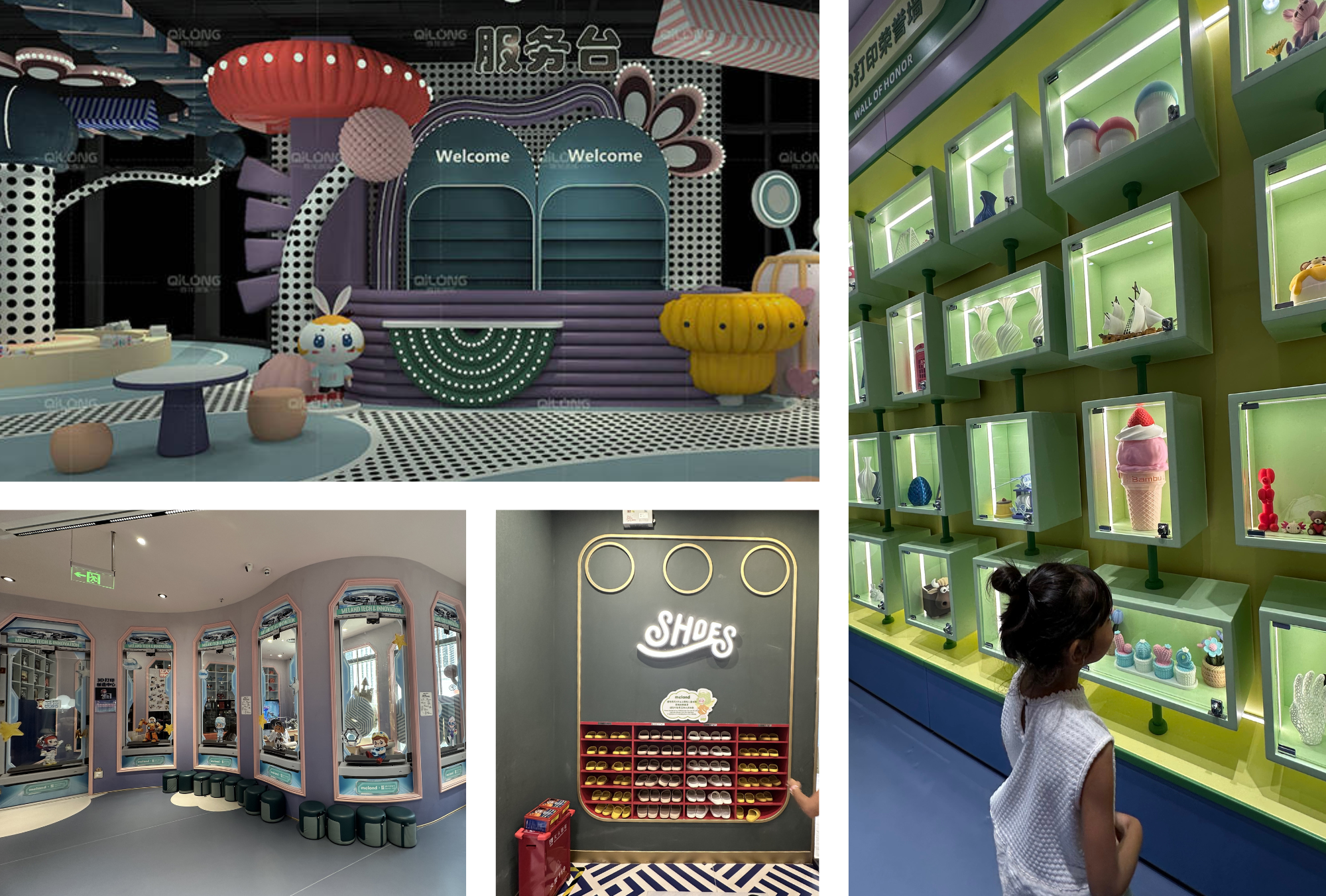
A strong example is a 3D printing room paired with a gallery wall, where children can design and create their own toys. Another is the fully immersive role-play zone, where the environment is themed so completely that the activity begins the moment a child walks in. The design takeaway is simple: the entrance moment matters. A good play space should create immediate invitation, not confusion.
3. Designing for parents, not just kids
One of the most important observations is that the best play spaces are designed with parents in mind as well. In some of the strongest facilities, parents are not left standing at the edge of the room, they are given a place to stay and relax while their children play.
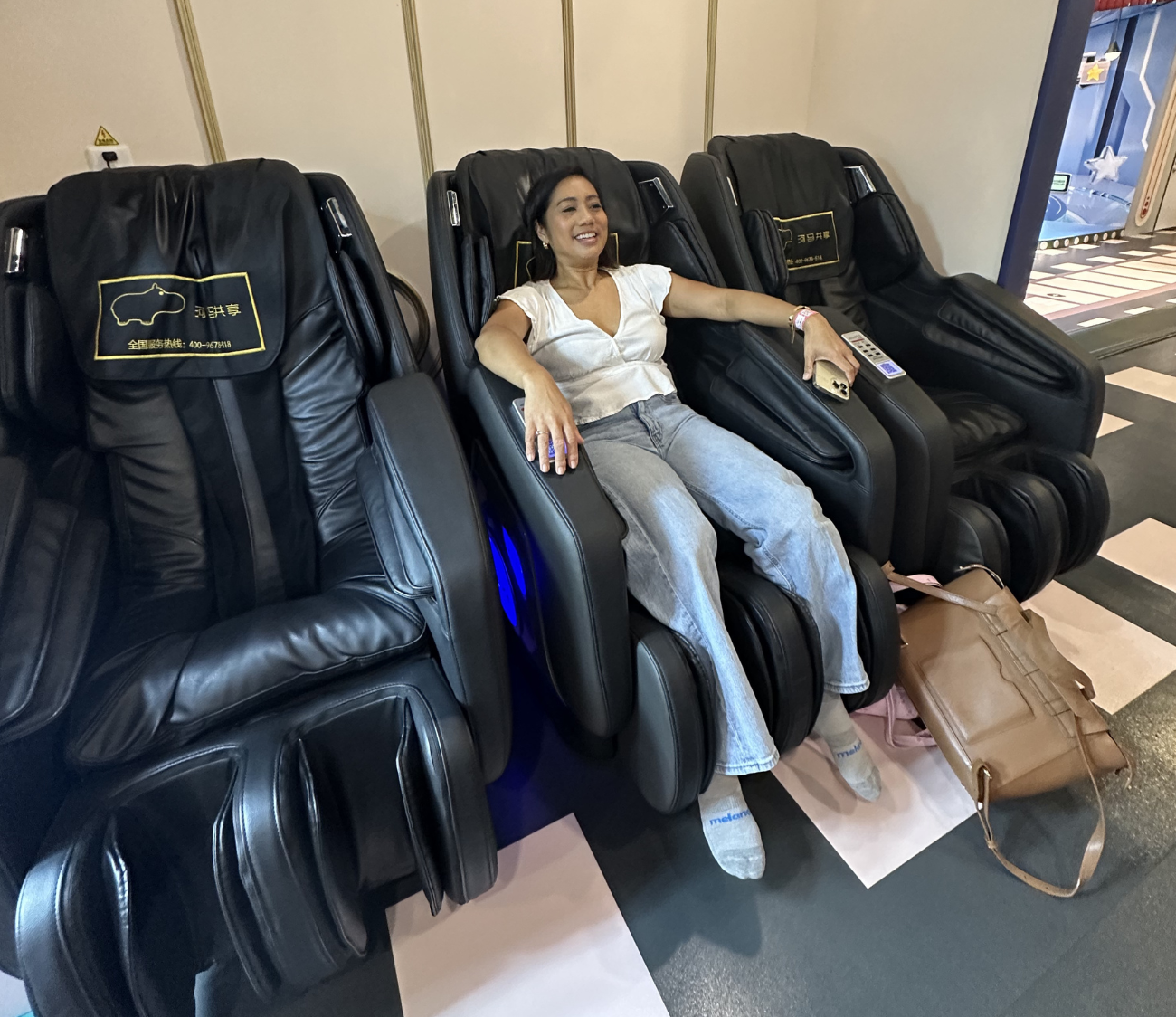
That might sound like a small detail, but it changes the whole experience. Massage chairs, lounge seating and comfortable sightlines tell parents that they are users of the space too. When parents are comfortable and engaged, they stay longer, return more often and are more likely to recommend the space to others.
This is where family-friendly design becomes commercially powerful. A play area is not only serving children, it is serving the whole family.
4. Technology and art coming together
Another major shift is the way technology and art are being merged inside play environments. Across Shenzhen and Hong Kong, we are seeing more interactive projections, movement-based games and visually rich installations that encourage active play rather than passive screen time.
These spaces are especially compelling because they blur the old distinction between “screen time” and “active play.” Children might interact with floor projections outdoors, play VR dodgeball, or engage in games that combine movement with digital feedback. Even familiar sports-style activities such as surfing, biking, rowing and archery are being reimagined through technology.
The takeaway is that technology does not have to replace movement. It can be used to amplify it.
5. Timeless games that span generations
Some of the most successful play concepts are surprisingly simple. Games like Fruit Ninja, for example, have an appeal that stretches from young children to older adults. That kind of universal recognition makes a play space feel less age-restricted and more inclusive.
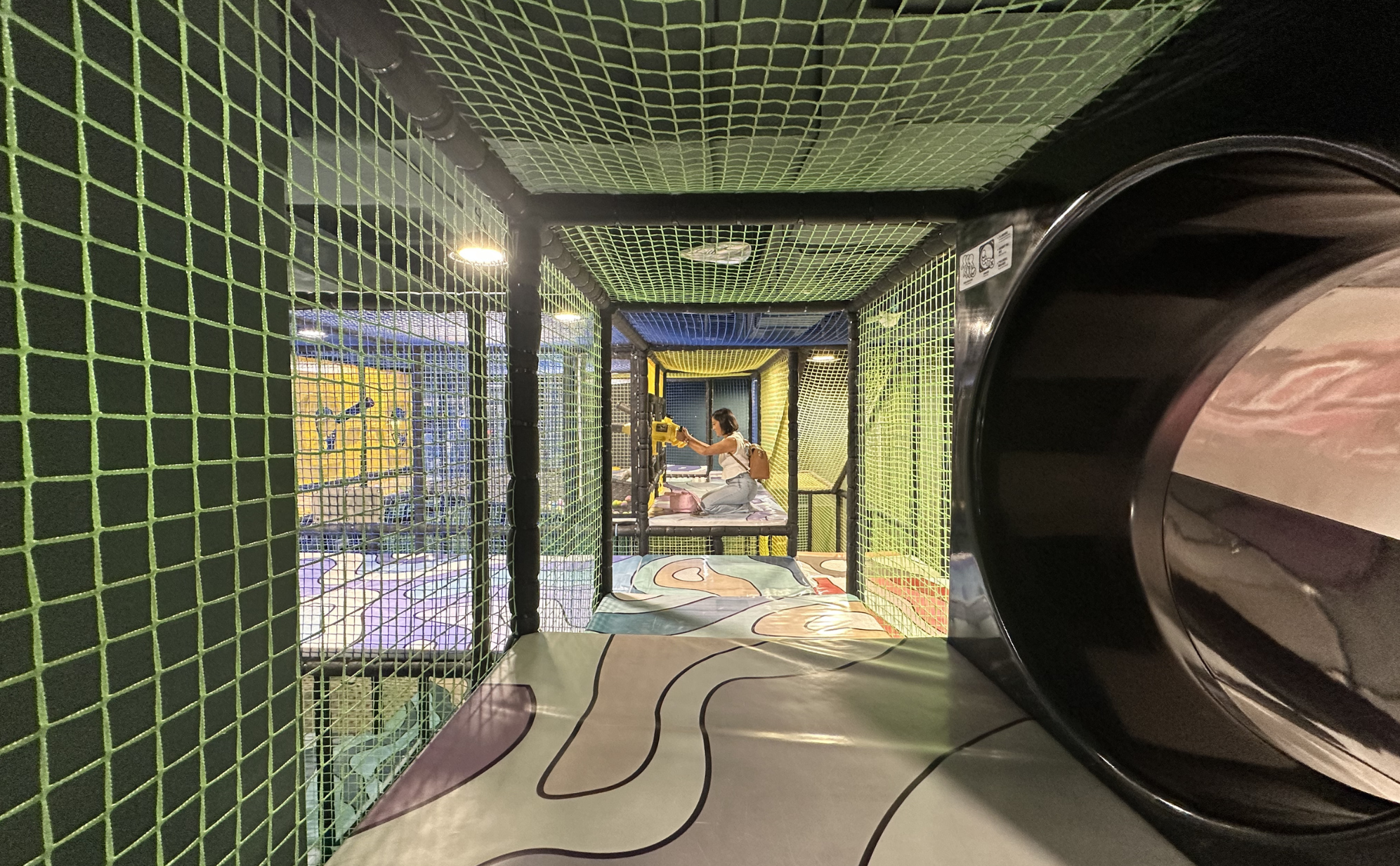
We are also seeing climbing walls with hamster-wheel-style movement, which combine physical activity with novelty in a way that keeps people coming back. Combat, archery and shooting games — whether physical or virtual — remain consistently popular across a wide age range as well.
This is one of the strongest trends in Asia right now: multi-generational play. Spaces that work for grandparents and grandchildren together create deeper family connection, longer dwell times and a much stronger sense of shared experience.
6. Gender-neutral play through dance and music
Dance and music are emerging as some of the most reliably inclusive play categories. They work across genders, appeal to a wide age range and create an atmosphere that feels energetic without being overly competitive.
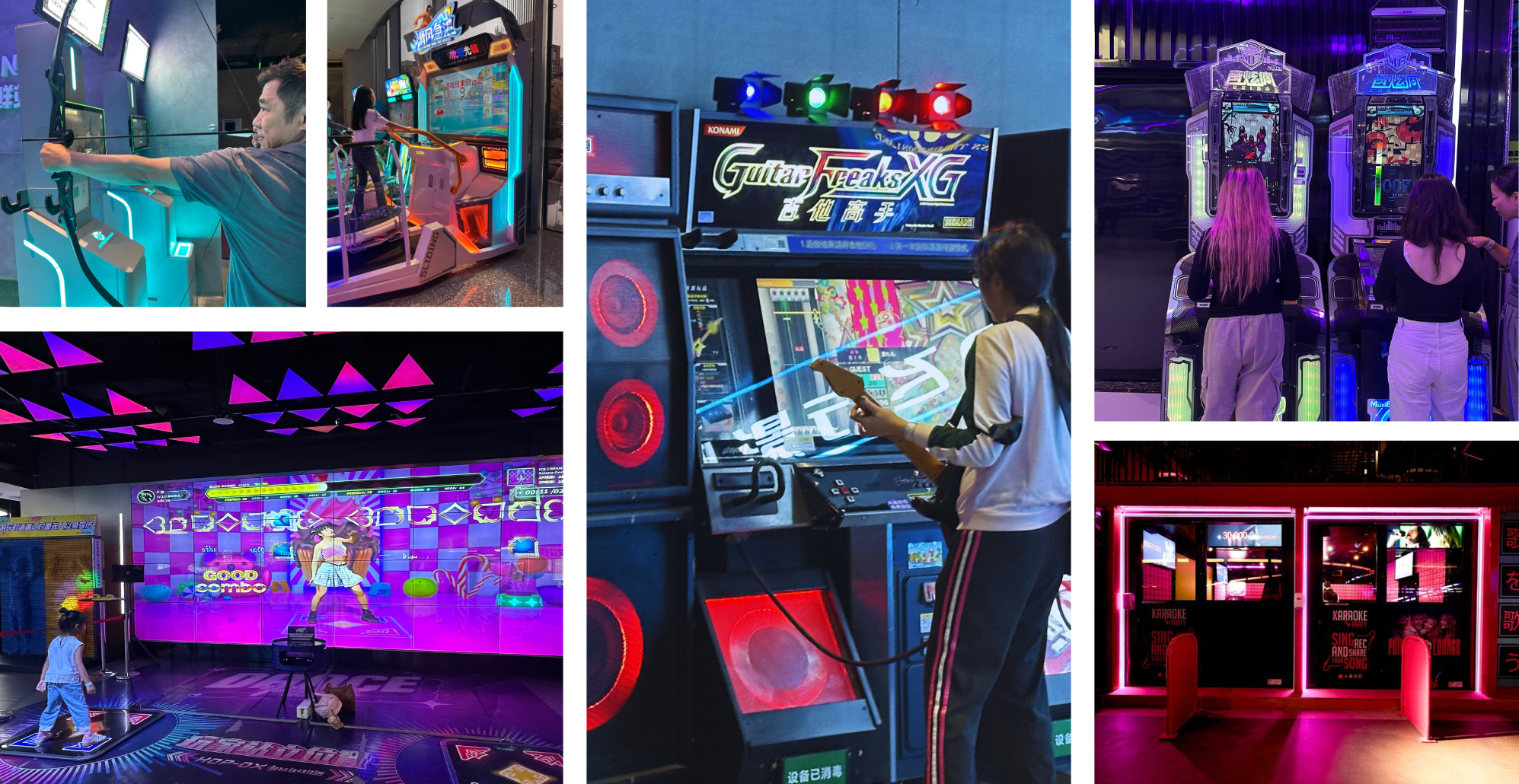
We are seeing more spaces incorporate DJ setups, screens and music-driven interactive experiences because they naturally draw people in. They also create a social tone that feels less like equipment-based play and more like shared participation.
If the goal is to create a children’s space that genuinely feels inclusive, dance and music are among the strongest design directions to consider.
7. The clubhouse feel
Another trend is the rise of clubhouse-style lounges within play facilities. These are not just waiting areas for adults. They are social spaces in their own right, designed for older children, teenagers and parents who want a more relaxed setting within the larger play environment.
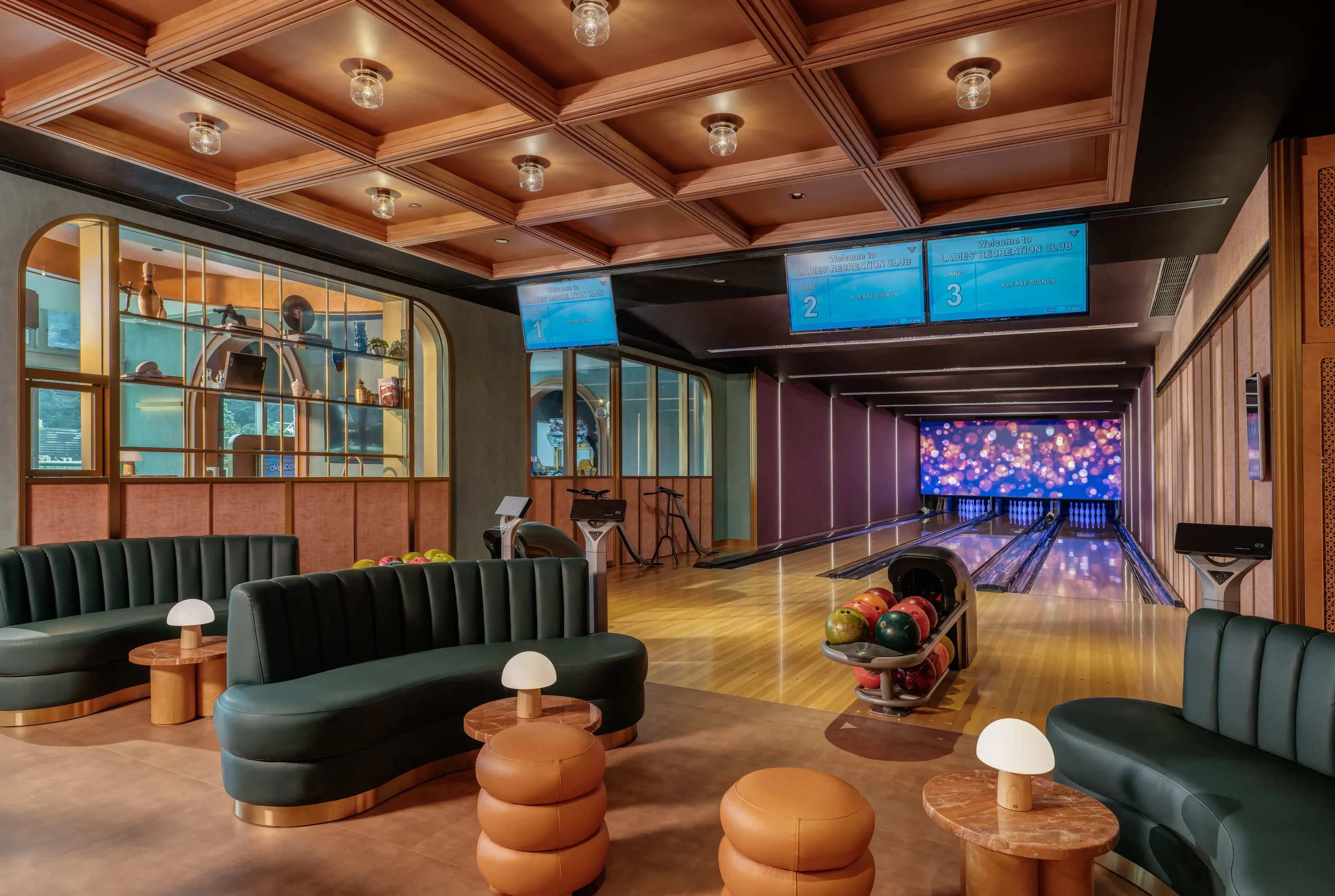
DJs, screens and lounge furniture give these spaces a more contemporary, social character. They also solve a very real design problem: as children grow older, traditional playground equipment stops being interesting. A clubhouse zone gives teenagers a reason to stay, while also making the broader venue feel more layered and future-proof.
For developers and club managers, that matters. It extends the life of the space and broadens its appeal beyond early childhood.
8. Outdoor play that merges nature and technology
One of the most exciting developments we have seen is outdoor play that brings nature and technology together instead of treating them as opposites. In Shenzhen Bay, for example, an outdoor play area uses interactive projections on the floor to create a digital layer within a natural setting.
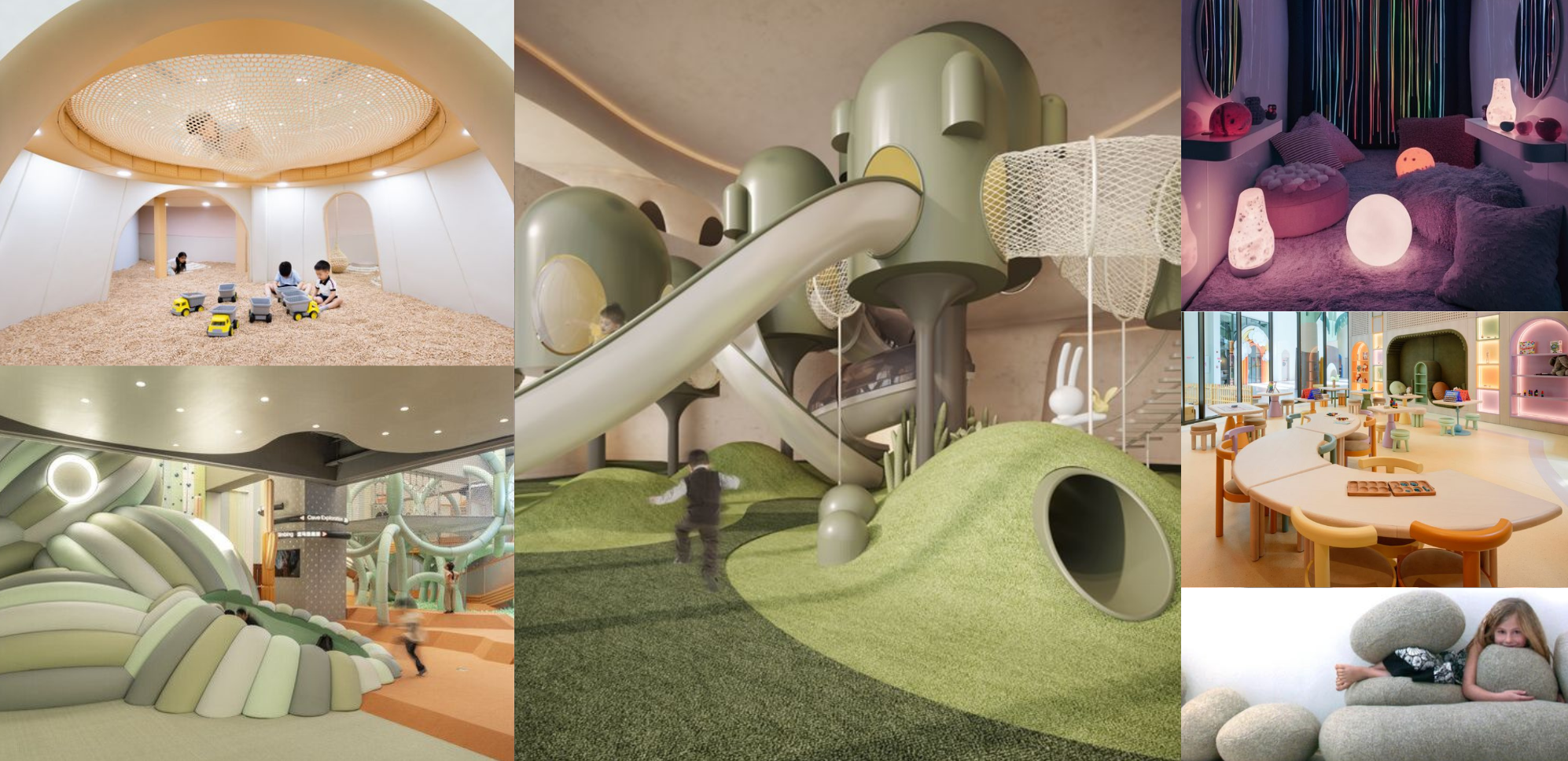
This approach is powerful because it gives outdoor spaces a competitive advantage. Rather than relying only on climbing structures or open movement, the environment itself becomes part of the experience. Technology adds another dimension, while the outdoor setting keeps the play grounded, active and open.
The design takeaway is clear: outdoor play does not need to be purely natural, and it does not need to be purely digital. The most interesting spaces are combining both.
9. What this means for design
These trends are not abstract ideas. They point to a broader shift in how we think about children’s environments across both commercial and residential projects. The best spaces are becoming more immersive, more inclusive and more layered in the way they serve different users.
For private clubs, that means designing spaces that keep families engaged for longer. For residential developers, it means creating amenities that feel relevant to modern family life. For homes, it means understanding that children’s spaces can be playful, functional and future-facing without feeling overdesigned.
If you are planning a larger family-focused project, explore Liquid Interiors to see how we approach design for modern living.
If you are interested in how wellbeing and family comfort shape our work, explore our healthy and sustainable interior design approach.
You can also view our Sea Breeze Home project for a sense of how lifestyle-led interiors come together.
10. Closing thought
The future of indoor and outdoor play is not just about equipment or novelty. It is about creating spaces that invite participation, support connection and grow with the people who use them.
The most successful play environments across Asia are already showing us what that future looks like: more multisensory, more social and more thoughtfully designed for the whole family. For anyone planning a renovation that includes spaces for children, whether a family home, a private club or a residential development, these principles are quickly becoming essential.

Quality is
always sustainable
For more information, feel free to contact Liquid Interiors, your healthy and eco conscious interior design consultants.
Rowena Gonzales