Blog | 31 January 2026
Start 2026 In Balance: A Room-by-Room Refresh Guide
After the holidays, doesn’t your home sometimes feel… heavy? Like it’s holding onto last year’s stress along with all the extra stuff. A reset can change that. Starting 2026 with a calm, refreshed home does not require tearing down walls or living through a renovation. A thoughtful reset can change how your space feels and functions in just a few focused steps, clearing some noise, sorting storage, and making things feel a bit lighter for 2026. It’s easier than you think, especially if you take it room by room.

1. Clarify How You Want To Live In 2026
Hold off on touching anything yet. Just walk through and think about what your home needs to do for you come 2026. More work from home? Hosting a bit more? A new baby on the way, or maybe helping ageing parents get comfortable when they visit?
Jot down three things per room as you go:
- Keep: stuff that already works, feels good
- Improve: lighting that’s off, storage that doesn’t fit your life
- Remove: the clutter or duplicates causing quiet frustration.
No need for a fancy spreadsheet. Your phone notes app is just fine. This bit alone sharpens everything that comes next.

2. Declutter Lightly, With Wellness In Mind
Let’s be honest, decluttering sounds daunting, but it doesn’t have to empty your rooms or strip away personality; it means removing what competes with rest, focus or connection. Start with what you see first each day: that entry console piled high, the coffee table graveyard, bedside chaos. In Hong Kong apartments, think in vertical layers and micro‑zones: use walls, backs of doors and the inside of cabinet doors for hooks and rails, and move infrequently used items into organised storage rather than squeezing every centimetre of the main rooms.

When editing, plan a sustainable exit for what you let go. Create separate bags for donation, resale and recycling, and schedule a collection or drop-off so nothing lingers in corridors. And honestly, watching it leave feels so good, especially when it aligns with a lower-waste, sustainable lifestyle.
3. Give Everyday Items A Proper Home
Now that you’ve picked your keepers, let’s make space for them! Wherever possible, invest in cabinetry and wardrobes that integrate with your architecture, keeping lines clean and doors full‑height to reduce visual breaks. Multi‑functional furniture, such as ottomans with hidden compartments or beds with integrated drawers, can absorb seasonal items without crowding wardrobes. In living areas, prioritise closed storage for toys, paperwork and media, and reserve open shelving for a smaller number of meaningful books, art objects or family pieces.

Test it like this: if bags or toys keep migrating out, their spot isn’t working yet. Closed cabinets for the mess, open shelves for what you love looking at. Simple as that, but it transforms how the place breathes.
Base sorted, now the fun part. Small tweaks hit harder when clutter’s gone. Comfort first, always.
4. Living Room: Reset Your Social Heart
The living room often has to perform many roles: entertaining, movie nights, quiet reading and sometimes a workspace. Begin by re‑zoning with rugs, side tables and lighting so there is a clear conversation area, a comfortable TV view and perhaps a small nook for reading or emails. Even small shifts—like pulling the sofa slightly off the wall or angling an armchair—can make the room feel more intentional and generous. You’ll notice.

5. Bedroom: Start 2026 With Better Sleep
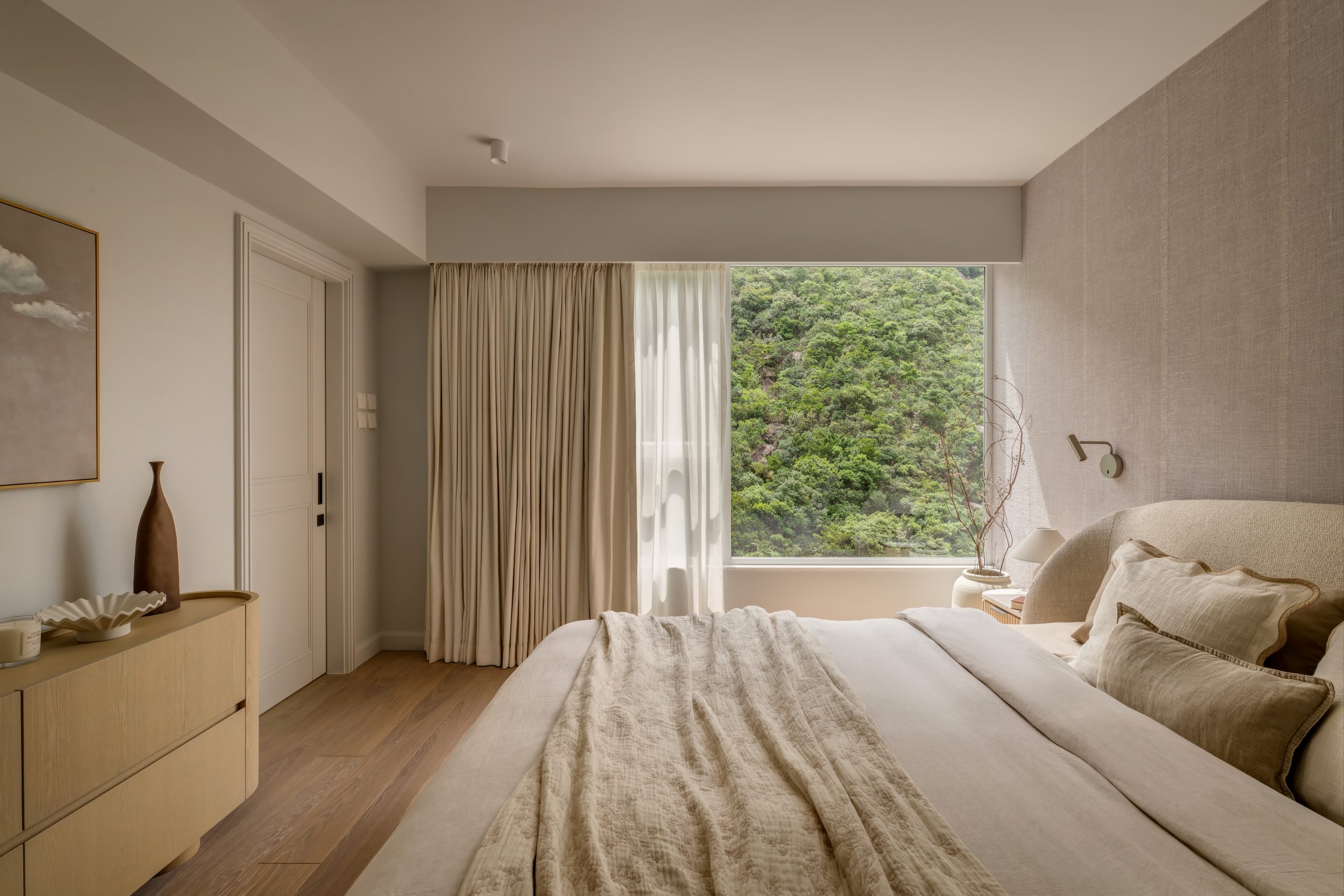
Your bedroom should be the calmest room in the home. Begin by clearing bedside tables, chair backs and window sills of anything that does not support a restful night routine—half‑read paperwork, excess devices and random storage baskets can all move elsewhere.

Lighting and materials have a direct impact on how quickly the nervous system winds down, ditch bright ceiling lights for warm lamps. Choose natural, breathable textiles for bedding and rugs, and consider blackout curtains paired with sheers so you can control light during both day and night. For elderly family members, ensure clear paths around the bed, non‑slip rugs and intuitive switches near the headboard, so accessibility feels seamlessly integrated rather than clinical.
6. Kitchen And Dining: Elevate Everyday Rituals
Kitchens hum through mornings and nights. Clear the countertops first, leaving only the appliances and tools you use daily, and assign everything else a dedicated internal shelf or drawer. Group items by activity—tea and coffee, breakfast, baking, children’s snacks— so you can create simple ‘stations’ that make routines smoother.

Consider how your dining area serves you across the week: as a workspace, homework hub and hosting centre. Use trays or baskets to corral items that can be quickly lifted away before a meal.
Feels smoother, right?
7. Entryway And Circulation: Design The Reset Point
The way you enter your home sets the tone for everything that follows. A soft, warm light source and a subtle scent—whether from a diffuser or fresh greenery—help mark the transition from the city outside to your private space.

In hallways, avoid treating walls as ad‑hoc storage. Instead, choose one or two locations for slim cabinets, artwork or a mirror, and keep the rest clear to preserve a sense of width and ease of movement. This is especially important for multi‑generational homes where mobility and safety need to be balanced with aesthetics.
8. Wellness-driven Touches That Make Your Home Feel New
Here’s where it turns refreshed into ‘new’. A home can feel transformed through adjustments to light, air, sound and small sanctuary spaces, even when the layout stays the same.
Warmer evening lights to ease into the night. Fresh AC filters, low-scent cleaners for cleaner air. Rugs or curtains to hush echoes in our hard-edged apartments. And tuck in a little escape: window chair for reading, a calm corner to breathe.

These aren’t extras. They’re what make home pull you back, even on rough days.
9. When It’s Worth Calling A Designer
DIY shines for editing, styling, quick buys. Love that hands-on part. But when layout fights your family – kids, work calls, elders, helpers – or storage feels bolted-on, not built-in? That’s designer territory.
We spot the flow issues, pick materials that last and feel good, layer light and air right. Saves you circling back every year. If resets keep fading, let’s talk. A wellness‑driven interior designer can also view your home as a holistic system, balancing light, air, materials and flow rather than approaching each room in isolation. When that expertise is combined with tailored storage and subtle accessibility features, the result is a home that not only looks refreshed for 2026 but continues to support your health, routines and family life for many years to come.

About the Author
Rowena Gonzales is a holistic interior designer dedicated to creating spaces that foster well-being, connection, and sustainability. Through biophilic design, universal design principles, and conscious material choices, her work is rooted in the belief that our environments are foundational to how we live, feel, and heal.
Quality is
always sustainable
For more information, feel free to contact Liquid Interiors, your healthy and eco conscious interior design consultants.
Rowena Gonzales