Blog | 14 January 2026
2026 Interior Design Trends: Designing the Intentional Sanctuary

As we move beyond 2025, many of us are experiencing a shared shift. The world feels faster, louder, and more complex. Global uncertainty, digital saturation, and constant stimulation have quietly changed the way we live — and, more importantly, the way we want to feel at home.

The interior design trends shaping 2026 reflect this collective need. Homes are no longer designed purely for visual impact or resale value. They are becoming intentional sanctuaries — spaces that support mental well-being, encourage real connection, and restore balance through thoughtful design choices.
In 2026, interior design is less about following trends and more about designing for the soul.

Prioritising Mental Health and Digital Well-Being
In an increasingly hyper-connected world, the modern home must offer what the outside world cannot: stillness.
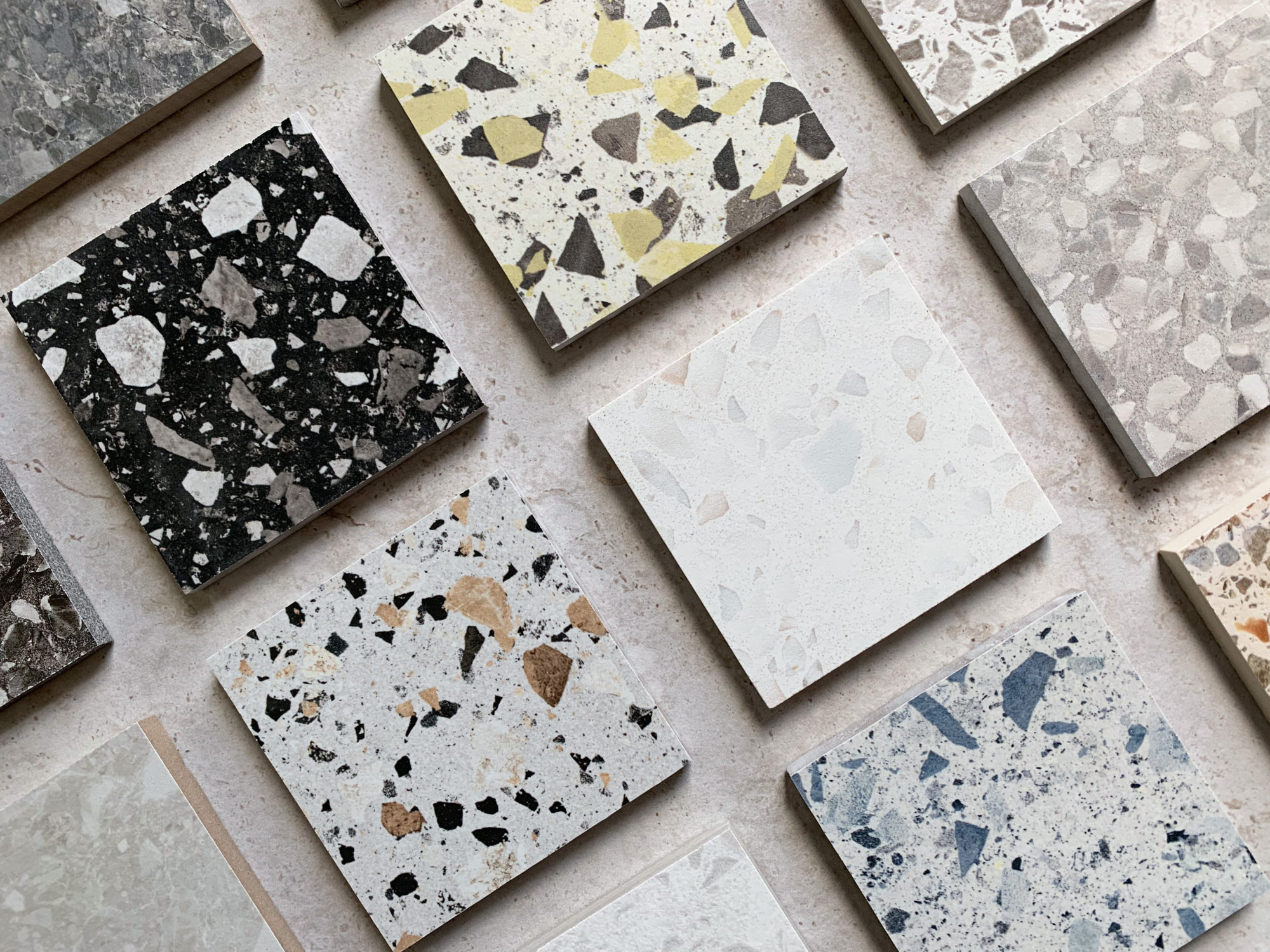
Biophilic design moves from being a stylistic preference to a baseline requirement. Natural materials such as timber, stone, linen, and clay are no longer decorative accents but foundational elements chosen for their calming sensory impact. Living greenery becomes integral to layouts, helping regulate stress and reconnect occupants with nature.

“We’ve begun intentionally designing quiet moments into homes,” Rowena explains.
Digital well-being also plays a central role. Bedrooms are increasingly designed as screen-free sanctuaries, dedicated solely to rest and recovery. Living spaces shift away from television-centric layouts toward conversation, views, fireplaces, or courtyards. There is a noticeable return to tactile, analog experiences — bookshelves, record players, writing desks — elements that slow the pace of daily life and engage the senses in a more meaningful way.

Aesthetically, this shift manifests as what many are calling “Soft Modernism.” Harsh lines give way to curves, arches, and rounded forms that feel grounding and human. Colour palettes draw directly from nature, featuring clay tones, soft greens, muted blues, and warm neutrals. Lighting becomes layered and atmospheric, favouring sculptural lamps, wall sconces, and candlelight over stark overhead illumination.
Designing for Flexible and Multi-Generational Living
Economic changes and evolving family structures are redefining how homes function. Flexibility is no longer a luxury; it is a necessity.
Multi-generational living is addressed through thoughtful, discreet design rather than obvious modifications. Universal design principles are integrated seamlessly, allowing homes to support different ages and abilities without compromising elegance. Soundproofing, flexible layouts, and spaces that can shift function over time help accommodate varied routines while maintaining privacy and dignity.

The home office, now a permanent fixture, is treated with equal care. In 2026, workspaces are integrated rather than added on. Built-in joinery conceals clutter, ergonomics are prioritised, and strong connections to outdoor spaces allow work to feel less isolating and more balanced.

Personalisation becomes increasingly important as a response to digital sameness. Bookshelves, home libraries, curated art, and meaningful collections return as expressions of identity rather than styling tools. Artisan-made furniture, heirloom pieces, and bespoke joinery replace mass-produced décor, allowing homes to tell deeply personal stories.
Sustainability as a Pathway to Health
Sustainability in 2026 is no longer framed solely as an environmental responsibility. It is understood as a direct contributor to human health and well-being.
Material choices focus on low-toxicity finishes, breathable fabrics, and natural surfaces that improve air quality and sensory comfort. Energy efficiency is designed not just to reduce consumption, but to create consistent thermal comfort and healthier indoor environments. In this way, the well-being of the planet and the well-being of the occupants become inseparable.

Technology plays a quieter, more supportive role. Smart systems are selected for their ability to reduce friction rather than add complexity. Lighting that adjusts automatically, climate systems that maintain comfort without intervention, discreet security features, and background automation all serve the same purpose: freeing time and mental space for what matters most.
Her work is guided by a commitment to creating spaces that improve physical and mental health, reconnect people with one another and with nature, and provide a sense of grounding in an increasingly fragmented world. By combining the principles of sanctuary, adaptability, and conscious living, she aims to create environments that feel restorative, supportive, and deeply human.

“In the past year, almost every client has told me some version of the same thing,” says interior designer Rowena Gonzales. “I just want my home to feel calm again.”
“Sometimes it’s a meditation nook, sometimes it’s simply a window seat with soft, filtered light. These spaces give people permission to pause.”
“The goal is not to future-proof in a clinical way,” Rowena notes. “It’s to create homes that adapt gracefully as life changes.”
“Books and collections reveal who you are,” Rowena reflects. “They make a home feel layered, thoughtful, and lived in.”
“The best technology is the kind you don’t notice,” Rowena says. “It supports your life without demanding attention.”
1. Healing Through Spatial Design: Rowena’s Philosophy
For Rowena, these 2026 design trends are not abstract predictions. They reflect the core of her design philosophy.
“I truly believe that our surroundings can heal us,” she shares.
2. Designing Intentional Sanctuaries for 2026
As we look toward 2026, the focus shifts from designing houses to designing intentional sanctuaries. Homes become places that help us slow down, reconnect, and live with greater clarity and balance.
If you’re ready to transform your home into a space that supports your well-being, your family, and your future, the conversation begins here.

About the Author
Rowena Gonzales is a holistic interior designer dedicated to creating spaces that foster well-being, connection, and sustainability. Through biophilic design, universal design principles, and conscious material choices, her work is rooted in the belief that our environments are foundational to how we live, feel, and heal.
Quality is
always sustainable
For more information, feel free to contact Liquid Interiors, your healthy and eco conscious interior design consultants.
Rowena Gonzales